
LingoTheory - Learn Mandarin Chinese with an AI Language Tutor
| Added on: | Jul 6, 2024 |
| Monthly Visits: | -- |
| Social & Email: | -- |

What is lingotheory
Lingotheory is an AI-powered language learning platform designed for students who want to learn a new language. It uses a story-based approach to learning, which means you'll learn by following a compelling narrative. This makes learning more engaging and memorable than traditional methods. You can track your progress and see how your vocabulary and grammar skills improve. One cool thing is that it uses a technique called spaced repetition, which helps you learn and retain information more effectively.
How does lingotheory work
Lingotheory provides language learning through interactive scenario simulations. Users sign in and select from diverse scenarios, such as conversing with a doctor, coworker, or barista. These simulations aim to teach relevant vocabulary and conversational skills within a specific context. "Lingo the game" aspect is reflected in the scenario-based learning approach, while the diary mode encourages consistent daily practice through routine conversations. The platform facilitates practical language acquisition.
Benefits of lingotheory
Lingotheory facilitates language learning through interactive scenarios. Users can practice speaking with virtual characters, such as Doctor Zhang, a coworker, waitress, astronaut, or barista. Each scenario focuses on specific vocabulary and conversational skills. For example, the waitress scenario teaches users how to order food and understand cuisine. Diary Mode allows users to build a habit of daily practice through conversations about everyday topics. Explore lingotheory for engaging language practice and to enhance your skills playing lingo the game!
Pros and Cons of lingotheory
Pros
- Offers scenario-based language practice.
- Includes diverse scenarios: doctor, coworker, waitress.
- Features a "Diary Mode" for habit building.
Cons
- Limited information; hard to judge effectiveness.
- No explicit language specified in description.
Core Features of lingotheory
Personalized Learning Paths
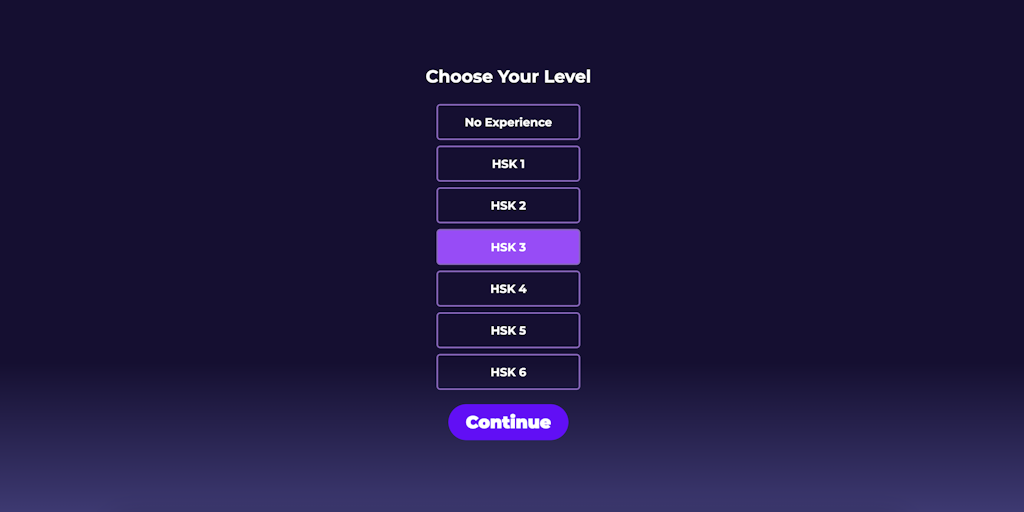
Lingotheory tailors learning paths to each individual user's needs and goals. This is done by assessing the user's current language proficiency level and then generating a personalized learning plan that incorporates a variety of activities such as interactive lessons, quizzes, and games. This makes learning more engaging and effective. 😊
AI-powered Language Tutor
Lingotheory's AI-powered language tutor provides real-time feedback and guidance during lessons. This feature makes the learning process more interactive and efficient, helping learners to identify and correct their mistakes.
Gamified Learning Experience
Lingotheory incorporates gamification elements into its learning experience to make it more fun and engaging. This includes using points, badges, and leaderboards to motivate users and track their progress.
Use Cases of lingotheory
- Medical Students: Practice medical terminology and patient communication with the Doctor Zhang lingo the game scenario.
- New Employees: Simulate workplace conversations to improve communication skills with the Coworker scenario via lingotheory.
- Travelers: Learn essential phrases for ordering food and understanding cuisine using the Waitress lingo the game module.
- Science Enthusiasts: Explore space-related vocabulary and scenarios with the Astronaut lingotheory conversation practice.
- Language Learners: Develop conversational fluency through daily practice using the Diary Mode in lingotheory.
FAQs of lingotheory
What is Lingotheory?
Lingotheory is an AI-powered language learning platform that uses a personalized learning approach to help you learn new languages. It's like having a personal language tutor in your pocket!
How does Lingotheory work?
Lingotheory analyzes your learning style and preferences to create a personalized learning plan for you. This includes the content you learn, the way you learn it, and the pace at which you learn. You'll be presented with a variety of learning activities, including interactive lessons, quizzes, and real-world conversations, all designed to help you master the language.
What languages can I learn with Lingotheory?
Currently, Lingotheory offers courses in English, Spanish, French, German, Italian, Portuguese, Russian, Chinese, Japanese, and Korean.
What are the benefits of using Lingotheory?
Lingotheory offers several benefits over traditional language learning methods, including:
- Personalized learning: Lingotheory adapts to your learning style and preferences, ensuring that you're learning in a way that works best for you.
- Interactive learning: Lingotheory uses a variety of interactive learning activities to keep you engaged and motivated.
- Real-world conversations: Lingotheory provides opportunities for you to practice your language skills in real-world conversations.
- Flexible learning: Lingotheory is designed to fit into your busy schedule, allowing you to learn whenever and wherever you want.
How is Lingotheory different from other language learning apps?
Lingotheory stands out from other language learning apps in a few ways. First, its personalized learning approach allows it to tailor its content and pace to your unique needs and preferences. Second, its emphasis on real-world conversations helps you practice your skills in a more natural and engaging way.
What if I'm not sure if Lingotheory is right for me?
We offer a free trial so you can experience Lingotheory for yourself!
How to use lingotheory
- LingoTheory offers interactive language practice through various scenarios, allowing users to improve conversational skills.
- Begin by signing in to the LingoTheory application at app.lingotheory.com to access available features.
- Select a scenario, such as "Doctor Zhang," "Coworker," or "Barista," that aligns with your learning goals.
- Engage in the conversation within the chosen scenario, focusing on practicing language skills.
- Consider "Diary Mode" for daily practice and habit building through everyday conversations on lingotheory.
