
Green Energy Solutions
Green Energy: Sustainable Power Solutions
| Added on: | Dec 6, 2024 |
| Monthly Visits: | -- |
| Social & Email: | -- |

What is Green Energy Solutions
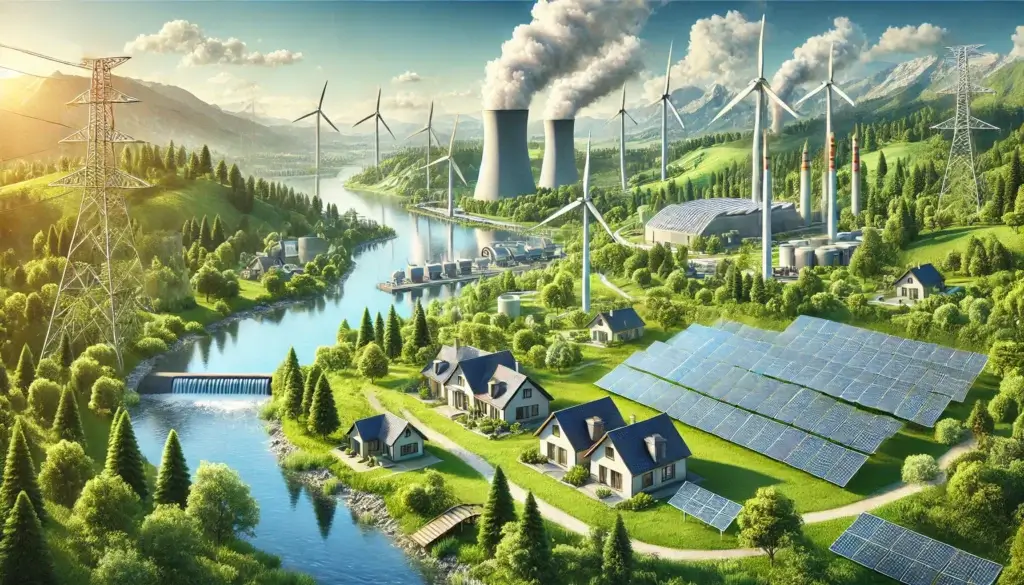
Green Energy Solutions explores the transition to sustainable power, examining renewable sources like solar, wind, geothermal, and biomass. The site details the environmental, economic, and health benefits of adopting green energy, contrasting them with the drawbacks of conventional energy sources. It profiles leading countries in the green energy transition, including examples such as Dubai's solar initiatives and Denmark's wind power dominance. The resource also addresses common challenges and offers practical solutions for individuals and communities seeking to integrate renewable energy into their lives, covering topics from home solar installations to hybrid energy systems. The site provides a comprehensive overview of the green energy landscape and its potential for a sustainable future.
How does Green Energy Solutions work
Green Energy Solutions provides information and analysis on various renewable energy sources, including solar, wind, geothermal, hydropower, and biomass. The website details the benefits of green energy solutions, such as reduced greenhouse gas emissions and improved public health, while also addressing challenges like high initial costs and grid infrastructure limitations. The site explores green energy solutions in different countries and contexts, offering an overview of best practices and future directions in sustainable energy development. It serves as an informational resource for individuals and businesses interested in learning about green energy technologies and their implementation.
Benefits of Green Energy Solutions
Green Energy Solutions explores sustainable power, detailing renewable sources like solar, wind, geothermal, and biomass. These green energy solutions offer environmental benefits by reducing greenhouse gas emissions and pollution, leading to improved public health. Economically, they foster job creation and growth within the renewable energy sector. The website provides in-depth analyses of various green energy options, including hybrid solutions, and addresses common challenges and solutions for transitioning to a sustainable energy future. Learn more about green home energy solutions and the global shift toward renewable energy.
Pros and Cons of Green Energy Solutions
Pros
- Informative content.
- Comprehensive overview.
- Multiple energy solutions discussed.
Cons
- Lacks specific product details.
- Website design could be improved.
- No direct sales information.
Core Features of Green Energy Solutions
Green Energy Information Dissemination
Provides comprehensive information on various green energy solutions, their benefits, challenges, and implementation strategies, educating users on sustainable energy options.
Green Energy Solution Exploration
Explores diverse renewable energy sources such as solar, wind, hydro, geothermal, and biomass, detailing their functionalities, applications, and potential impact.
Comparative Analysis of Green Energy Technologies
Offers a comparative analysis of various green energy technologies, allowing users to understand the advantages and disadvantages of each solution based on factors like cost, efficiency, and environmental impact.
Case Studies of Successful Green Energy Implementations
Presents case studies of successful green energy implementations in different countries, providing practical examples of how renewable energy technologies are being deployed to achieve sustainability goals.
Green Energy Resource Hub
Serves as a centralized resource hub for information on green energy, connecting users with relevant resources, news, and updates on advancements in the field.
Use Cases of Green Energy Solutions
- Homeowners: Reduce energy bills and carbon footprint with solar panel installation and green home energy solutions.
- Businesses: Improve sustainability and brand image by implementing green energy solutions and reducing operational costs.
- Governments: Promote economic growth and environmental protection through green energy initiatives and supportive policies.
- Utilities: Expand renewable energy infrastructure and improve grid reliability with green hybrid energy solutions.
- Developers: Create sustainable communities and attract environmentally conscious buyers with clean green energy solutions.
FAQs of Green Energy Solutions
What are the different types of green energy solutions?
Green energy solutions encompass various renewable sources, including solar energy (harnessing sunlight via photovoltaic cells or concentrated solar power), wind energy (capturing wind's kinetic energy using turbines), hydropower (utilizing the energy of moving water), geothermal energy (tapping into Earth's internal heat), and biomass energy (converting organic matter into usable energy). These diverse sources offer various methods for generating clean and sustainable power.
What are the environmental benefits of switching to green energy?
Transitioning to green energy significantly reduces greenhouse gas emissions, a major contributor to climate change. This reduction in emissions leads to cleaner air and water, mitigating air and water pollution, which in turn improves public health and reduces the environmental impact of energy production. Furthermore, renewable sources help preserve natural resources, reducing our reliance on finite fossil fuels.
What are the economic benefits of adopting green energy solutions?
The green energy sector fosters job creation in manufacturing, installation, maintenance, and related industries. This economic stimulus boosts local economies, while reduced reliance on imported fossil fuels enhances energy independence and security. Additionally, the transition to green energy stimulates innovation and technological advancement.
How can individuals contribute to the green energy transition?
Individuals can contribute by installing solar panels on their homes, choosing energy-efficient appliances, supporting renewable energy providers, reducing overall energy consumption, and advocating for supportive policies at the local and national levels. Even small changes in energy habits can cumulatively impact the transition to a more sustainable future.
What are some challenges to widespread green energy adoption?
Challenges include the high initial investment costs of renewable energy technologies, the intermittency of some renewable sources (requiring energy storage solutions), and the need for upgrades to existing energy grid infrastructure to handle the influx of renewable energy. Addressing these challenges requires technological advancements and supportive policies.
How to use Green Energy Solutions
- Begin by identifying your specific green energy needs, considering factors like location, energy consumption, and budget. This initial assessment is crucial for selecting appropriate solutions.
- Research different green energy solutions, including solar, wind, geothermal, and biomass, to determine their suitability for your circumstances and preferences. Compare their cost-effectiveness and environmental impact.
- Consult with green energy professionals or companies specializing in renewable energy systems for personalized advice and guidance. Seek multiple opinions to compare options.
- Evaluate the financial incentives and government support programs available for green energy adoption in your region. Explore potential tax credits or rebates to lower costs.
- Implement your chosen green energy solution, ensuring proper installation and maintenance to maximize efficiency and longevity. Follow manufacturer instructions.
- Monitor your energy usage and the performance of your green energy system. Regularly assess system efficiency to identify any potential issues.
- Analyze the environmental impact reduction achieved by switching to a green energy solution. Track your carbon footprint reduction to gauge success.
