
ScienHub FAQs
Collaborative LaTeX editor with AI-enhanced language refinement, Git integration, and more. Produce high-quality papers with ScienHub.

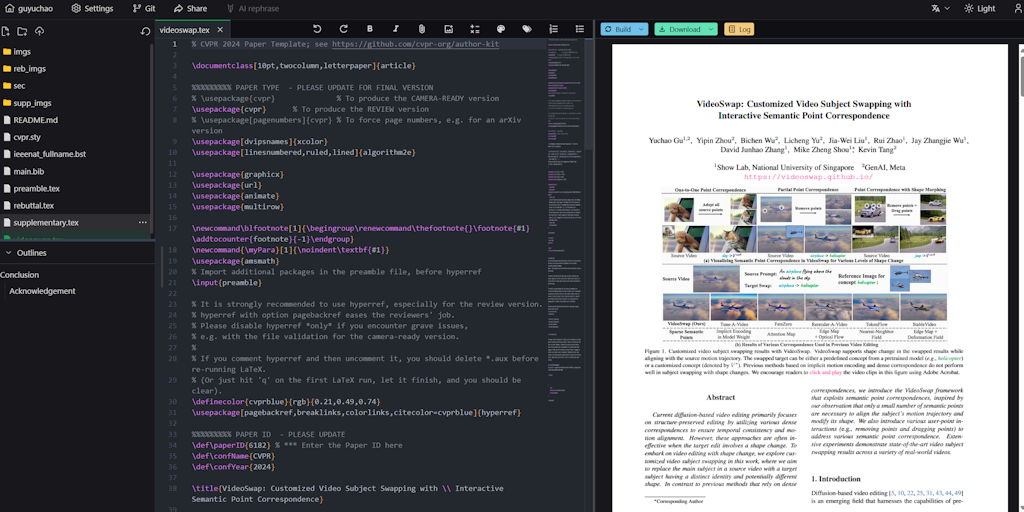
FAQs of ScienHub
What is ScienHub?
ScienHub is a platform that helps researchers access scientific articles, even if they are behind a paywall. It provides a user-friendly interface and a wide range of features to help users find and access the information they need.
How does ScienHub work?
ScienHub uses a variety of methods to provide access to scientific articles. These methods include:
- Crawling and indexing websites: ScienHub crawls websites and indexes their content, making it easier for users to find the information they need.
- Providing links to free sources: ScienHub also provides links to free sources of scientific articles, such as websites of research institutions and universities.
- Offering a community-based approach: ScienHub also allows users to share articles with each other, making it easier to find and access the information they need.
What are the benefits of using ScienHub?
ScienHub offers a number of benefits to researchers, including:
- Access to a wide range of scientific articles: ScienHub provides access to a vast collection of scientific articles, regardless of whether they are behind a paywall.
- User-friendly interface: ScienHub is easy to use, even for researchers who are not familiar with online research tools.
- Free and open access: ScienHub is free to use and provides open access to scientific information.
Is ScienHub legal?
ScienHub is a controversial platform, and its legality is a matter of ongoing debate. Some argue that ScienHub is a valuable tool that helps to promote scientific progress by making research more accessible. Others argue that ScienHub violates copyright law and unfairly benefits from the work of researchers and publishers.
What are the alternatives to ScienHub?
There are a number of alternatives to ScienHub, including:
- Sci-Hub: Sci-Hub is a similar platform to ScienHub, but it is more well-known and has been the subject of more legal scrutiny.
- Open Access repositories: Open Access repositories, such as PubMed Central, provide access to a wide range of scientific articles that are freely available.
- University libraries: University libraries offer access to a wide range of research databases, including databases of scientific articles.
